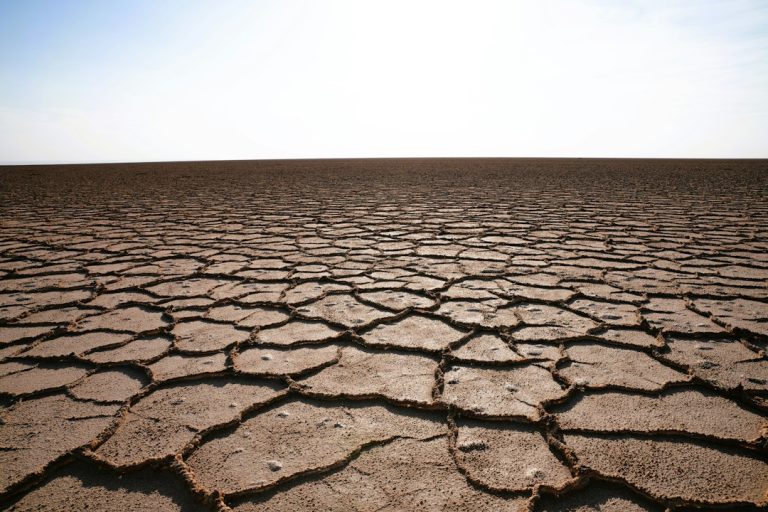

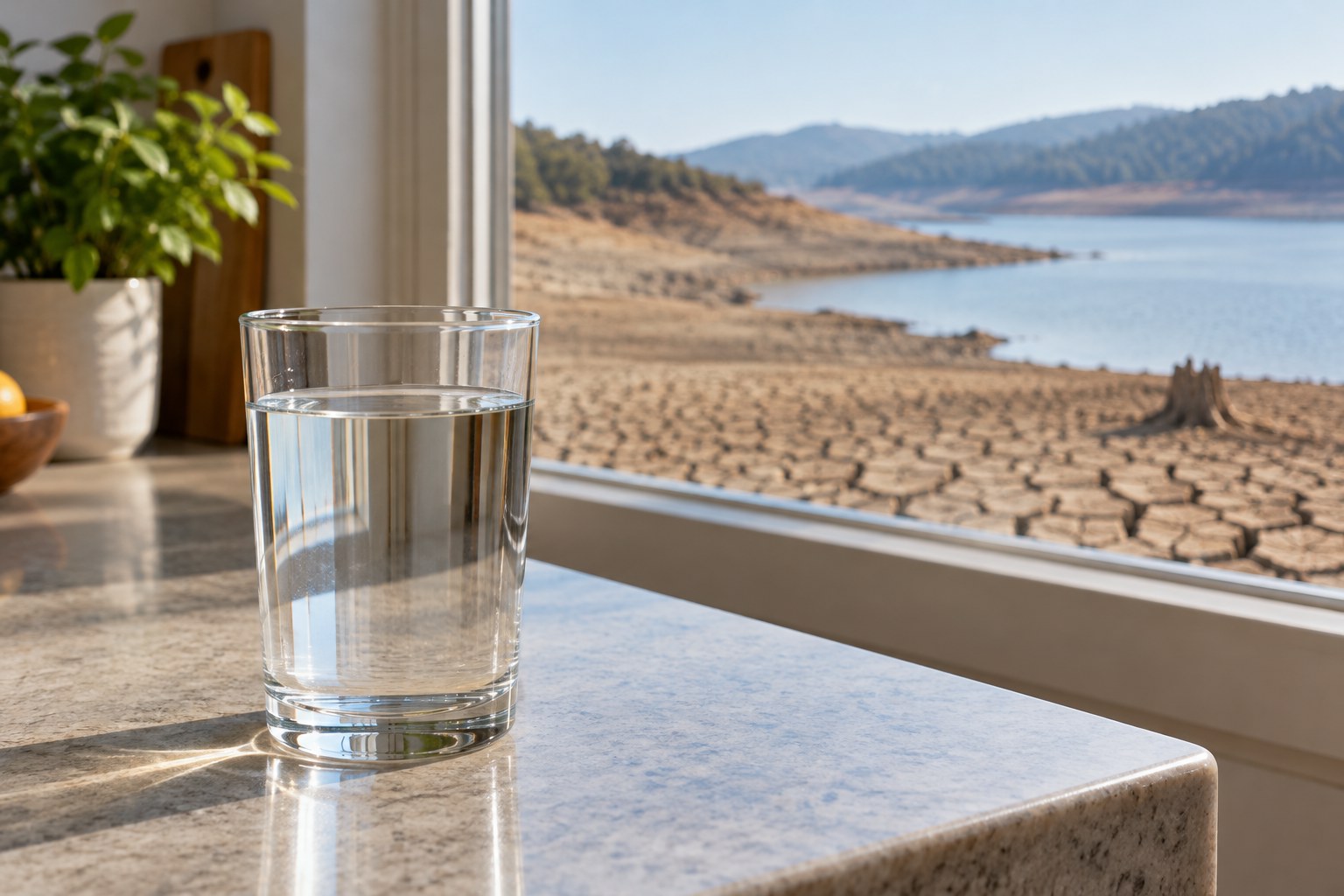
Your tap can fail you in two different ways, and only one of them makes the evening news. Reservoirs fall, a well pump gulps air, and your utility bans the hose. That’s the visible kind.
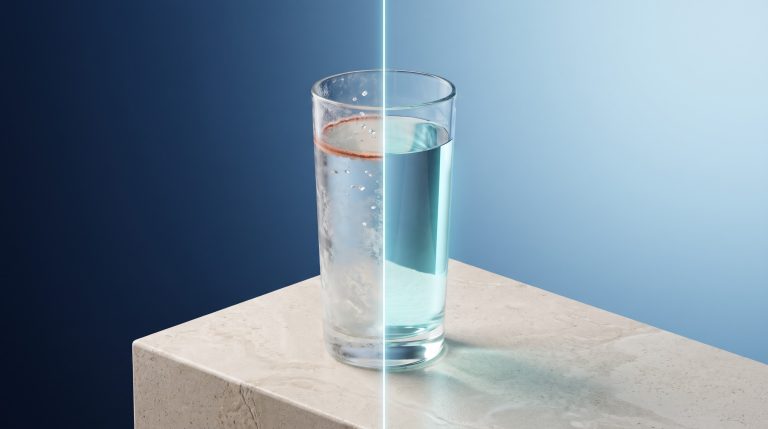
The second kind hides in plain sight. Water keeps flowing, but it carries lead, PFAS, nitrate, or bacteria that you can’t see or taste, which means the supply exists on paper and fails at the glass.
Figuring out which problem you actually have comes first, because the diagnosis decides where your money should go. Wrong diagnosis, wasted equipment. This guide breaks down the causes, the legal limits, and the fixes that hold up, and it connects to our complete guide to residential water security for the wider picture.
By Amir Hamza, founder of WaterVelor · Sources reviewed November 2026 · Educational content, not professional advice.
Physical Scarcity vs. Quality-Induced Scarcity: The Tier-1 Reality
Physical scarcity means withdrawals outrun nature’s refill rate. Pumping an aquifer or drawing a reservoir below what rain and snowmelt replace is the textbook case, and the Ogallala Aquifer under the Great Plains has been running that deficit for decades.
Infrastructure scarcity is sneakier. Aging mains leak, pressure drops, and treated water never reaches the meter. Utilities call that loss non-revenue water, and your bill eventually absorbs it.
Quality-induced scarcity is the one most homeowners miss. A source can be full to the brim and still be off-limits when PFAS, lead, nitrates, or Cryptosporidium push it past health limits. Until treatment catches up, that water isn’t really yours to drink.
About 4 billion people face severe water scarcity for at least one month a year, according to a widely cited Science Advances study. Wealthy nations aren’t exempt, but our version looks different. We get “Day Zero” reservoir warnings, hosepipe bans, and boil-water notices instead of famine. By UN-Water’s definition, a territory counts as water-stressed once it withdraws 25 percent or more of its renewable freshwater.
4 Engineering and Climate Drivers Behind Modern Drinking Water Shortages
1. Over-Allocated Rivers and Shrinking Aquifers
The Colorado River supplies roughly 40 million people across seven states, and its old operating agreements expire at the end of 2026. In August, Interior signed 2027–2028 operating guidelines inside a 10-year framework. For Southwest households, expect tighter allocations and stricter rules.
Groundwater tells the same story more slowly. Fossil water in aquifers like the Ogallala took thousands of years to accumulate, and pumping spends it in decades.
2. Leaking Pipes, Theirs and Yours
EPA estimates that household leaks waste somewhere between 900 billion and a trillion gallons a year nationwide. The average family loses about 9,400 gallons annually, according to EPA WaterSense. That’s your own plumbing, before you count what escapes municipal mains.
A worn toilet flapper is the usual culprit. Drop a few drops of food coloring in the tank, wait ten minutes, and look at the bowl.
3. Competing Agricultural and Industrial Demand
The average American uses 82 gallons a day at home, per the same EPA data, yet households aren’t the biggest customer. Globally, agriculture takes about 72 percent of withdrawals, households and services take 16 percent, and industry takes 12, according to UN-Water figures. Power plants and data-center cooling pull from the same rivers and wells. When supplies tighten, you’re standing in a crowded line.
4. Climate-Driven Volatility
Heat waves speed up reservoir evaporation, and snowpack melts earlier than most systems were designed to handle. Then a flash flood overwhelms stormwater and sewer lines and pushes pathogens into source water. Drought and flood can hit the same town in the same year. Your plan has to cover both.
Regulatory Safety Thresholds and Tap Water Compliance
United States: PFAS, Lead, and Your Annual Report
EPA’s 2024 rule set enforceable limits of 4.0 parts per trillion for PFOA and PFOS, the so-called forever chemicals. Utilities face an April 2029 compliance date. In May 2026, EPA proposed letting qualifying systems extend that to 2031, and it proposed rescinding limits for four other PFAS. Those proposals were still pending at last check, so verify the current status before you rely on any date.
Lead works differently. It has an action level, not a maximum contaminant level, and today that trigger is 15 parts per billion. The Lead and Copper Rule Improvements lower it to 10 ppb starting November 1, 2027, while EPA’s health goal for lead remains zero. So a utility can pass its compliance tests while your kitchen faucet still delivers lead from an old service line or solder.
Your water system must mail an annual Consumer Confidence Report. Read yours. Look for PFAS results, lead sampling, and any violations.
United Kingdom, Canada, and Australia
In England and Wales, the Drinking Water Inspectorate enforces the Water Supply (Water Quality) Regulations, including strict Cryptosporidium monitoring, while Ofwat oversees company performance. During droughts, suppliers can impose temporary use bans, the formal name for a hosepipe ban.
Canada sets health-based limits through Health Canada’s Guidelines for Canadian Drinking Water Quality, and provinces enforce them. Australia follows the Australian Drinking Water Guidelines, applied by state and territory regulators.
The Private Well Gap
About 43 million Americans, roughly 15 percent of the population, drink from private wells. USGS notes that these wells fall outside the Safe Drinking Water Act and, in most cases, state law. In a national USGS study, more than 20 percent of sampled wells held at least one contaminant at a level of potential health concern.
Nobody tests your well for you. Follow our annual private well water testing parameters, and test for coliform bacteria and nitrate every year. Test for arsenic at least once, and again after any change to the well.
How to Calculate Your Household Water Demand
Start with two numbers: total demand and potable demand. Total demand averages about 82 gallons per person per day, so a family of four lands near 330 gallons daily. Potable demand is tiny by comparison. Drinking and cooking usually take a gallon or two per person, and showers, laundry, toilets, and irrigation take the rest.
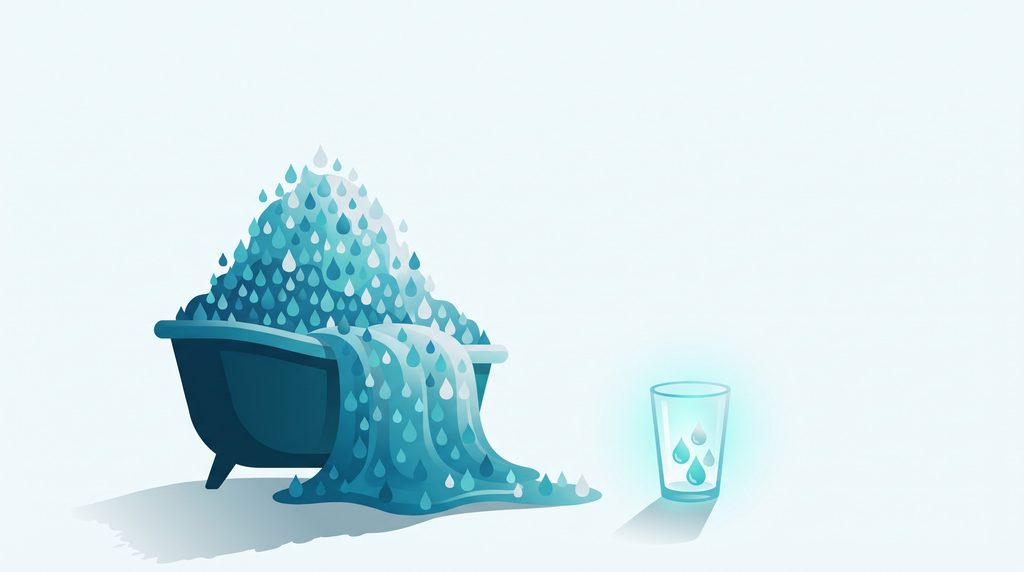
That gap changes your equipment list. You don’t need to treat 330 gallons a day to fix a drinking-water problem. Treat the few gallons per person that you actually drink and cook with, and you’ve solved most of it for a fraction of the cost.
FEMA’s baseline for emergency storage is one gallon per person per day for at least three days. I’d plan for two weeks if you live in a drought-prone or boil-water-prone area. Four people storing two gallons each per day for 14 days need 112 gallons.
Point-of-Use Treatment: Match the NSF/ANSI Standard to the Contaminant
| Standard | What it covers | Best fit | Trade-off |
|---|---|---|---|
| NSF/ANSI 58 (reverse osmosis) | Dissolved solids, plus lead, arsenic, and PFAS where the model is certified for them | PFAS, high TDS, nitrate | Sends wastewater to the drain; slower flow |
| NSF/ANSI 53 (activated carbon) | Health-related contaminants such as lead and certain organics, depending on certification | Lead, chlorine byproducts | No brine discharge, but carbon alone won’t reduce nitrate |
| NSF/ANSI 55, Class A (UV) | Bacteria, viruses, and cysts | Boil-water advisories, private wells | Does nothing for chemicals; needs clear water |
Read the performance data sheet, not just the logo. A filter certified for lead isn’t automatically certified for PFOA. Compare certified options in our NSF-certified reverse osmosis systems for PFAS removal coverage, and check our whole-house filter picks only if the problem reaches every tap. Our reviews show how specific models performed.
Conservation Hardware That Pays for Itself
WaterSense-labeled fixtures use at least 20 percent less water than standard models. Swapping old faucets and aerators can save about 700 gallons a year, per EPA. Replace the showerhead first, because it’s the cheapest win.
Add a smart ultrasonic leak detector with an automatic shut-off valve on the main if you travel often or own a second home. It catches the slow leak that a quarterly bill hides. Our buying guides cover high-efficiency plumbing fixtures and leak detection in detail.
Rainwater Capture and Emergency Storage
Roof catchment is simple arithmetic. Use this formula:
Catchment area (sq ft) × rainfall (in) × 0.623 × 0.85 = harvestable gallons
The 0.623 converts one inch of rain over one square foot into gallons, and 0.85 accounts for runoff losses. A 1,500-square-foot roof captures about 794 gallons per inch of rain.
Keep the two uses separate. Rainwater and greywater belong in irrigation or toilet-flushing tanks. Drinking water belongs in opaque, food-grade HDPE containers that block light and get rotated on a schedule. Check local rules first, because some jurisdictions regulate harvesting.
Tier-1 Regional Comparison: Water Stress and Compliance Lookup
| Jurisdiction | Primary Scarcity Driver | Governing Safety Standard | Where to Check Your Tap |
|---|---|---|---|
| United States | Over-allocated rivers like the Colorado, groundwater drawdown, leaking mains | EPA Safe Drinking Water Act: PFOA/PFOS at 4.0 ppt; lead action level 15 ppb, falling to 10 ppb in November 2027 | Your annual Consumer Confidence Report; an independent lab for private wells |
| United Kingdom | Summer drought in the South East, leakage from aging mains | Water Supply (Water Quality) Regulations, enforced by the DWI | Your water company’s postcode water quality checker |
| Canada | Prairie and interior drought, aging municipal systems, boil-water advisories | Guidelines for Canadian Drinking Water Quality (Health Canada), enforced by provinces | Your municipality’s annual water quality report |
| Australia | Prolonged drought and over-allocation in the Murray-Darling Basin | Australian Drinking Water Guidelines, applied by state and territory regulators | Your water utility’s annual quality report |
Common Questions About Drinking Water Scarcity
What causes scarcity of drinking water in the US?
Four things drive it: over-allocated rivers and falling groundwater, leaking infrastructure, competing farm and industrial demand, and climate swings between drought and flood. Contamination adds a fifth layer, because water you can’t safely drink counts as scarce too. Your local cause decides your fix.
Is my tap water safe if my area isn’t in drought?
Not automatically. Drought and contamination are separate problems. Lead from old plumbing, PFAS from industrial sources, and nitrate from farm runoff show up in wet regions too. Read your Consumer Confidence Report, then test your tap directly.
Do I need reverse osmosis or an activated carbon filter?
Match the filter to the contaminant. Reverse osmosis (NSF/ANSI 58) handles dissolved solids and, where certified, PFAS, lead, and arsenic. Carbon (NSF/ANSI 53) handles lead and many organics without wastewater. Test first, because carbon alone won’t reduce nitrate.
How much emergency water should a household store?
Plan on at least one gallon per person per day for three days, and two weeks is better in drought or boil-water regions. A family of four storing two gallons per person daily for 14 days needs 112 gallons.
Test the Water Before You Spend a Dollar
Guessing is the most expensive way to treat water. Households routinely buy a whole-house system for a problem that one under-sink filter would have solved, or install reverse osmosis for a bacteria issue that needed UV. Neither mistake shows up until the bill does.
A certified lab report names what’s in your water, at what level, and against which standard. Then you buy the one piece of equipment that matches. Your results will also tell you whether you’re facing a shortage, a quality problem, or both.
Schedule or order a certified water analysis today through our Water Testing hub, or start with a lab-grade option from our Water Test Kits. Protect your household’s health first. Spend on equipment second.