
Disclosure: As an Amazon Associate, WaterVelor earns from qualifying purchases. Product links below may pay us a commission at no extra cost to you.
A weak shower is a symptom, not a diagnosis. When water pressure is low in your house, the cause is usually one of eight things, and an inexpensive gauge tells you which direction to look. Skip the guessing.
I’ve walked plenty of homeowners through this, and the pattern holds: they buy a booster pump first and test second. That order wastes money. Test first, and you’ll often fix the problem with a valve handle or a five-minute vinegar soak.
Quick answer
Under 40 psi at an outdoor hose bib counts as low. Check the main shutoff valve first, then the pressure regulator, then hunt for leaks. Only one fixture weak? Clean the aerator or showerhead. On a well, check the pressure switch and tank.
In this guide
- What counts as low water pressure
- Test your pressure before you touch anything
- One fixture, hot water only, or the whole house?
- Eight causes, in the order I check them
- Run the numbers: your home’s pressure budget
- Low water pressure on a private well
- Are low-flow fixtures fooling you?
- Fix it yourself or call a pro?
- Low water pressure FAQ
What Counts as Low Water Pressure?
Forty psi is the usual dividing line. Most homes run between 40 and 60 psi, and anything under 40 tends to feel weak at the tap. Some manufacturer guides stretch the normal range up to 80 psi.
Codes set the floor far lower than comfort does. The Illinois plumbing code, for example, requires at least 20 psi at the meter and 8 psi at every fixture, and it calls for a pressure-reducing valve above 80 psi. Your local code may differ, so treat that as an example, not a universal rule.
Aim for 40 to 60. The EPA’s WaterSense program caps static service pressure at 60 psi for labeled new homes, and most pressure regulators ship set near 50.
Test Your Pressure Before You Touch Anything
A screw-on gauge settles the argument between “it feels weak” and “it is weak.” Here’s the routine:
- Pick the faucet. On city water, use an outdoor spigot near where the main line enters the house. On a well, use a faucet close to the pressure tank.
- Shut off everything else. That includes ice makers, irrigation, and anything running outside.
- Thread the gauge on and tighten it by hand.
- Read the dial with the faucet closed. That’s your static pressure.
- Open the faucet fully and read it again. That’s your flowing pressure.
Under 40 psi is low. A reading that falls hard once the water flows points to a restriction somewhere between the main and the fixture.
Gear for this step: a hose-bib pressure gauge
You want a gauge that reads 0 to 160 psi and threads onto a standard 3/4-inch hose connection. Two options worth a look:
- Winters PETW213LF: a 2.5-inch dial, 0 to 160 psi range, and a lead-free brass socket with a 3/4-inch female swivel hose adapter. Check price on Amazon
- Watts DP IWTG: a plastic 3/4-inch water pressure test gauge for a garden hose connection. A budget pick for a one-time check. Check price on Amazon
Tip: hand-tighten and check for drips. A gauge that leaks at the threads will read low.
Pressure and Flow Aren’t the Same Thing
Pressure is the force pushing water. Flow is how much water actually arrives, usually measured in gallons per minute. You can have healthy pressure and a miserable trickle if a pipe is narrow, scaled, or clogged. If your gauge reads 55 psi but the tub takes forever to fill, suspect flow, not pressure.
One Fixture, Hot Water Only, or the Whole House?
Location narrows the cause fast. Match your symptom to the table before you start taking things apart.
| What you notice | Most likely cause | First move |
|---|---|---|
| One faucet or shower is weak | Clogged aerator, showerhead, or cartridge | Clean or replace the fixture parts |
| Only hot water is weak | Sediment in the water heater or a partly closed valve | Flush the heater, check its valves |
| Whole house is weak, city water | Shutoff valve, regulator, leak, or supply problem | Run the gauge test, then work causes 1 to 4 below |
| Whole house is weak, well water | Pressure switch, tank, pump, or clogged pipes | See the well section below |
| Pressure dropped after plumbing work | Main valve not fully open | Open it all the way |
| Pressure dropped after a new filter or softener | Undersized or clogged equipment | Check cartridges and equipment sizing |
| Upstairs is weaker than downstairs | Elevation | Run the pressure budget below |
Eight Causes of Low Water Pressure, in the Order I Check Them
1. A Partly Closed Shutoff Valve
Open the main shutoff and the water meter valve all the way. A valve left a quarter-closed after a repair restricts the entire house. On a gate valve, turn the handle counterclockwise until it stops. On a ball valve, the lever should sit parallel to the pipe.
Suspect this first if the drop followed any plumbing work.
2. Clogged Aerators and Showerheads
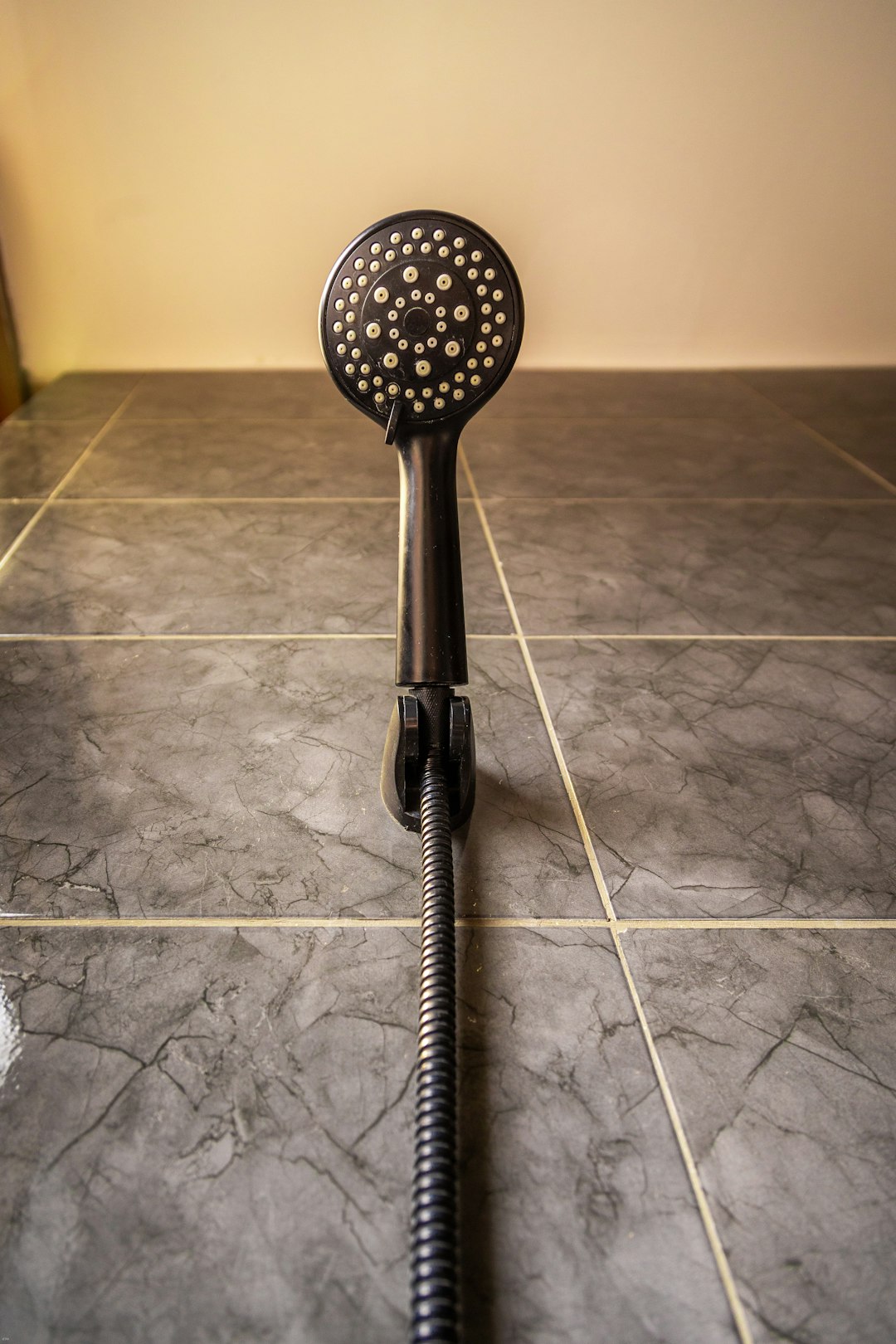
Unscrew the aerator first. Mineral grit collects in the screen, and a soak in white vinegar usually clears it. If the faucet still runs weak, check the cartridge or valve stem.
When one fixture misbehaves and your gauge reads normal, the problem lives in that fixture, not in your house.
3. A Failing Pressure Regulator
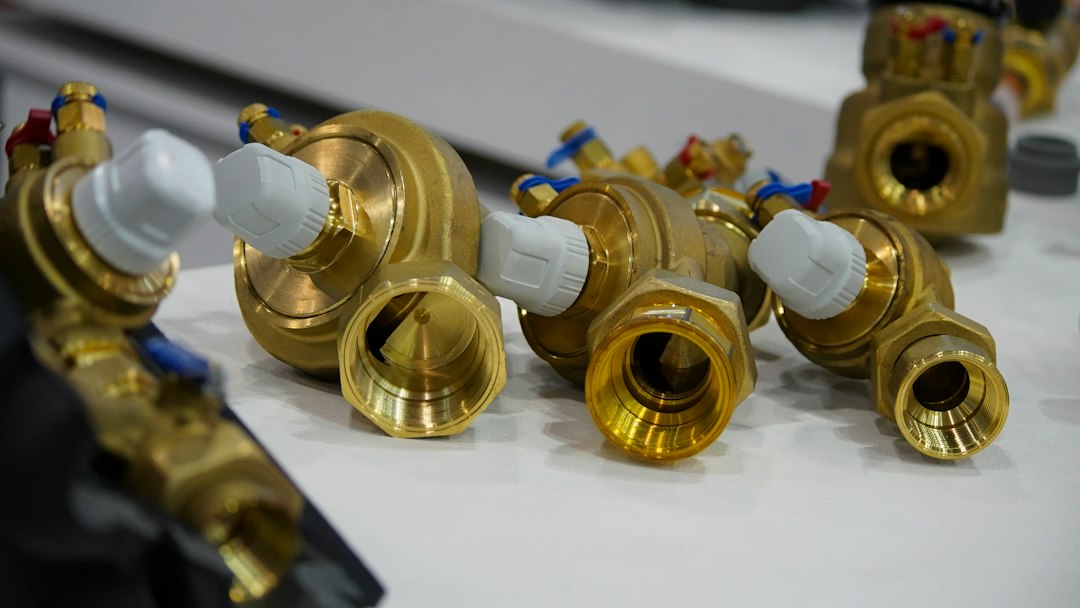
A pressure-reducing valve (PRV) sits where the main line enters your home and steps street pressure down to a safe level. When it fails or drifts low, every tap suffers at once. Most are set near 50 psi.
If yours is set lower, a plumber can reset it. If it won’t hold a setting, it needs replacing. A sudden, house-wide change is the classic sign.
Gear for this step: a replacement pressure-reducing valve
The Watts LF25AUB-Z3 is a lead-free, 3/4-inch regulator with an adjustable range of 25 to 75 psi, a factory setting of 50 psi, and an integral stainless steel strainer, according to Watts. Check price on Amazon
Confirm your pipe size and end connections before ordering, and have a licensed plumber install it. A regulator only lowers pressure, so it fixes a failed unit, not weak city supply.
4. A Hidden Leak
Turn off every faucet and appliance, then write down your water meter reading. Check it again about an hour later. A changed number means water is escaping somewhere.
Call a licensed plumber, especially if low pressure arrives with damp spots, stains, or a higher water bill.
5. Scale and Corroded Pipes
Scale and corrosion shrink a pipe’s inner diameter slowly, so you rarely notice one sudden drop. Hard water leaves calcium and magnesium deposits on pipe walls, especially on the hot side. Old galvanized steel rusts from the inside. Brown or red water and a metallic taste are the tell.
Severe buildup usually means replacing the affected pipe. Descaling chemicals can knock loose chunks that clog something else downstream, and I wouldn’t run harsh chemicals through lines that feed your drinking water. A water softener slows new scale from forming.
Not sure what’s in your water? Start with a hardness and iron check using a water test kit, and browse our Water Problems guides for what the results mean.
6. Filters and Softeners
Treatment equipment can steal pressure. A clogged cartridge or an undersized unit restricts flow, so match the equipment to your home’s peak flow rate and swap cartridges on schedule.
If you add a booster pump, place it so it raises pressure in the house without forcing water into the filter housings above their rating. Shopping for equipment? Our Whole House and Water Filters categories are a good place to compare options, and our Buying Guides cover sizing.
7. Supply Problems: Utility, Shared Lines, and Distance
Ask a neighbor whether their pressure dropped too. If it did, the problem sits upstream of your meter. Main breaks, hydrant flushing, and summer demand can all pull pressure down, so call your utility and report it.
Long service lines and small-diameter pipe cost pressure through friction even when nothing’s broken.
8. Elevation
Gravity takes about 0.433 psi for every foot water climbs. A third-floor bathroom 28 feet above the meter loses roughly 12 psi before the water even starts moving.
Upstairs fixtures always run weaker than basement ones. That’s physics, not a defect.
Run the Numbers: Your Home’s Pressure Budget
Subtract before you shop. Start with your static reading at the meter, then deduct what the house takes away:
- Available pressure at the meter (from your gauge)
- Minus elevation loss (0.433 × height of the highest outlet in feet)
- Minus the drop across filters and softeners
- Minus what the fixture needs to work
Here’s a hypothetical. Your meter reads 55 psi, the third-floor shower sits 28 feet up (about 12 psi), and a softener costs 8 psi. That leaves 35 psi at the outlet.
A balanced-pressure shower valve needs 20 psi flowing, according to the fixture table in the 2012 International Plumbing Code. Your margin is 15 psi, and pipe friction eats part of it. Check which code edition your jurisdiction uses.
If the margin goes negative, you’ve found the case for a booster pump. If it doesn’t, look for the clog.
Low Water Pressure on a Private Well
Wells play by different rules. A pump and pressure tank, not a city main, set your pressure.
Most pressure switches are set to 30/50 psi (pump on at 30, off at 50) or 40/60. Moving from 30/50 to 40/60 raises pressure for many homeowners. Cut power to the pump first, and don’t exceed the rating of your switch, pump, or tank. After raising the cut-in pressure, set the tank’s air pre-charge 2 psi below the new cut-in, measured with the tank empty.
Sediment and mineral buildup can also choke well piping, and a licensed plumber should inspect and clear it. A constant-pressure system holds steady pressure as demand changes. It also costs more and takes real skill to install.
Gritty or discolored well water deserves a lab check before you buy any equipment. Our Water Testing section walks you through it.
Are Low-Flow Fixtures Fooling You?
Sometimes “low pressure” is just an efficient showerhead. The EPA’s WaterSense program labels showerheads that use no more than 2.0 gallons per minute, down from the 2.5 federal maximum.
Labeled heads still have to perform. At 20 psi, flow can’t drop below 60 percent of the rated maximum, per EPA’s archived FAQ. A healthy gauge reading and one weak showerhead points at the head, not the house.
Gear for this step: a WaterSense labeled showerhead
If your gauge looks fine and one shower disappoints, swapping the head is a ten-minute job. Look for the WaterSense label, which means the head is independently certified to use 2.0 gpm or less and meet performance requirements. Browse WaterSense showerheads on Amazon
Fix It Yourself or Call a Pro?
Handle these yourself:
- Open the main and meter valves fully
- Soak and clean aerators and showerheads
- Replace clogged filter cartridges
- Run the gauge and meter-leak tests
Call a licensed plumber for:
- Leak location and repair
- Regulator replacement or resetting
- Repiping corroded sections
- Well pressure switch and tank adjustments, if you’re unsure
- Booster pump installation
A booster pump raises pressure and flow where the main enters your home. It won’t fix a leak or a clogged pipe. Pumps push water through whatever’s wrong, only faster. Get written quotes, because prices vary by region.
Gear for this step: a household booster pump
If your pressure budget goes negative and the leak, valve, and regulator checks all come back clean, a booster is the right tool. Grundfos makes the SCALA2, a compact booster built for homes. Check price on Amazon
Match the pump’s flow and pressure ratings to your home before buying, and have it installed by a licensed plumber. In the UK and some other regions, installing a booster may require notifying your water supplier.
Low Water Pressure FAQ
What is normal water pressure for a house?
Most homes run between 40 and 60 psi, and a reading under 40 feels weak. Plumbing codes call for a pressure-reducing valve above 80 psi, because high pressure damages pipes and fixtures. Test with a gauge on an outdoor hose bib.
Why did my water pressure suddenly drop?
Sudden drops usually trace to a partly closed valve after repairs, a failing regulator, a leak, or a utility problem. On a well, suspect the pump or pressure switch. Check the main valve, test with a gauge, then read your water meter with everything off.
Can a water filter or softener cause low water pressure?
Yes. A clogged cartridge or an undersized filter or softener restricts flow. Replace cartridges on schedule, and size equipment for your home’s flow rate. If pressure dropped right after installation, suspect the equipment first. Compare gauge readings before and after if you can.
Does a booster pump fix low water pressure?
Sometimes. A booster pump raises pressure and flow where the main enters your home, which helps with elevation, long supply runs, and weak municipal pressure. It won’t repair a leak, a clogged pipe, or a failed regulator. Diagnose first, then buy.
How do I know if the problem is my house or the city?
Ask a neighbor and read a gauge at your hose bib. If neighbors have weak pressure too, call your utility. If they don’t, and your gauge reads low, the cause sits in your private plumbing: valves, regulator, leaks, or pipes.
Fix the Cause Before You Buy the Pump
Low pressure rarely arrives alone. Brown water, a metallic taste, or scale on every fixture means your pipes are telling you something about what’s flowing through them. A pump won’t fix that, and it can push corroded, mineral-heavy water through your home faster.
Spend a little on answers first. A gauge reading, a meter check, and a lab-grade water analysis cost far less than a booster pump you didn’t need or a repipe you ordered too late. Your family’s drinking water deserves the same scrutiny as your pressure.
Ready to see what’s actually in your water?
Let the results decide your next purchase.