
Last updated: November 21, 2026
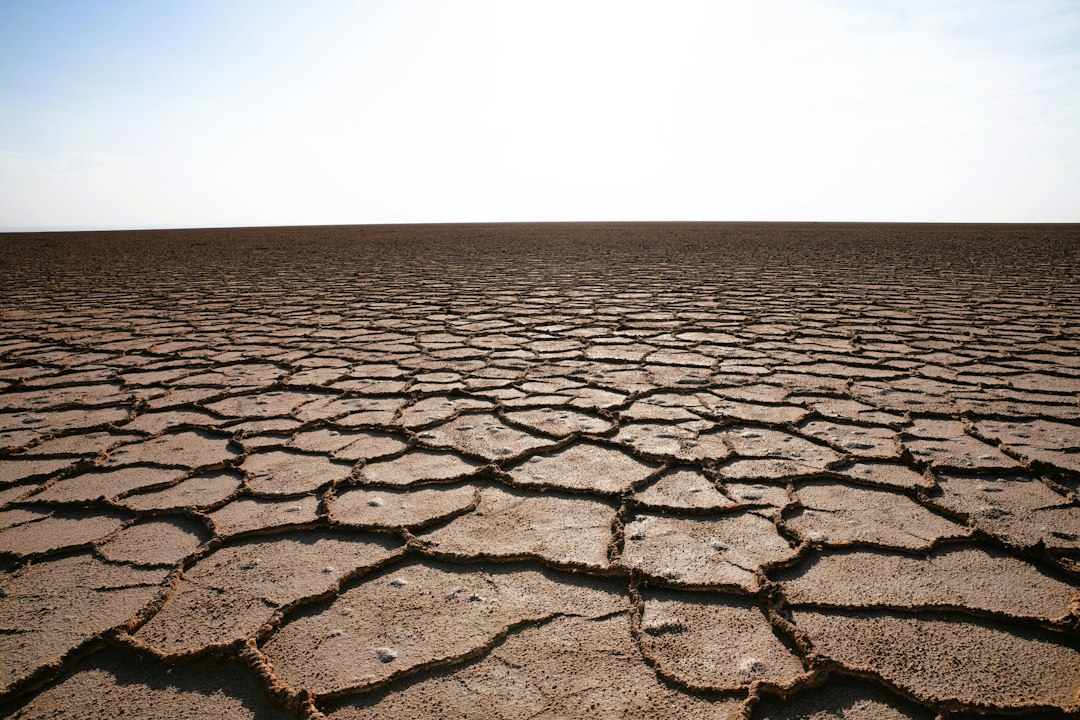
Water shortages in the world now affect roughly 4 billion people for at least one month every year, according to a January 2026 United Nations University report. Aquifers are shrinking, drought is spreading, and wealthy countries aren’t exempt. Here’s what that means at your tap.
England had ten Environment Agency areas in drought as of 17 September 2026. The Colorado River states couldn’t agree on a post-2026 plan. And Okanagan Lake in British Columbia hit its lowest level for the date in over 80 years of records.
Five countries, one global dataset, and a storage plan you can finish this weekend. That’s what you’ll get here.
What Counts as a Water Shortage?
Three terms get tossed around as if they mean the same thing. Each one means something different.
UN scientists defined water bankruptcy in January 2026 as persistent over-withdrawal of surface and groundwater, plus the irreversible or prohibitively costly loss of natural water capital that follows. Stress and crisis are milder. Stress is high pressure that remains reversible, and a crisis is an acute shock that can be overcome.
The Council on Foreign Relations lists the Falkenmark thresholds used below.
| Term | What it means | Rule of thumb |
|---|---|---|
| Water stress | Demand presses hard on supply | Under 1,700 m³ per person per year |
| Water scarcity | Not enough accessible water for regional demand | Under 1,000 m³ |
| Absolute scarcity | Severe, chronic shortfall | Under 500 m³ |
| Water bankruptcy | Long-term overuse has caused losses that can’t realistically be restored | No numeric cutoff |
Researchers often rank countries with the Falkenmark indicator, which divides renewable freshwater by population, and it ignores both water quality and seasonal swings. That’s a real blind spot.
The Numbers Behind Water Shortages in the World
Five figures from the January 2026 UN report set the scale.
- About 4 billion people face severe water scarcity at least one month each year.
- About 2.2 billion lack safely managed drinking water.
- Roughly 75% of humanity lives in countries classed as water-insecure or critically water-insecure.
- About 70% of major aquifers show long-term decline.
- Drought costs an estimated US$307 billion a year.
Groundwater matters most to homeowners. It supplies about 50% of global domestic water use and over 40% of irrigation water, and many aquifers are being drained faster than they can realistically recharge.
Where Water Shortages Hit Hardest
The Middle East and North Africa top most rankings. UNICEF counts fifteen of the world’s twenty most water-scarce countries there, and Qatar gets 99% of its drinking water from desalination. South Asia and the American Southwest, including the Colorado River, are named hotspots too.
Wet weather doesn’t cancel the debt. A region can flood one year and still be water bankrupt if long-term withdrawals exceed replenishment.
Water Shortages in the US, UK, Canada, Australia and Germany
United States
The Colorado River is the clearest warning sign. Upper and Lower Basin states couldn’t agree on a post-2026 framework, so Interior issued 2027–2028 operating guidelines and a ten-year decision framework.
Aging pipes add a second problem. EPA’s 2022 survey puts wastewater, stormwater, and related clean water needs at $630 billion or more over 20 years.
United Kingdom
England’s summer ran hot and dry. The warmest spring on record in England led into what’s provisionally the UK’s hottest summer on record, and by 17 September ten Environment Agency areas were in drought.
Ten water companies had temporary use bans, restricting about 30 million people. Ending the drought would take rainfall near 120% of typical over the next seven months, according to the Environment Agency’s September meeting. The House of Commons Library tracks the details.
Canada
British Columbia’s interior is the hot spot. As of 31 July, 12% of the province sat in extreme or exceptional drought, and Okanagan Lake was at its lowest level for the date in more than 80 years of records, per Agriculture and Agri-Food Canada.
Agricultural areas of the Prairies, meanwhile, were drought-free in June for the first time since 2020.
Australia
Murray-Darling Basin storages sat at 58% of capacity on 30 July, about 8% below the same time last year. And the Bureau of Meteorology says El Niño continues to strengthen.
Prices for Victorian Murray water allocations hit $403 per megalitre on 30 July.
Germany
Germany has never had a nationwide water shortage, but regional ones are real. Record-low groundwater levels and spring flows showed up at gauging stations across the country during the 2018–2020 drought years. Policy caught up. The National Water Strategy, adopted in March 2023, runs its first package of measures through 2030.
What’s Driving Water Shortages in the World
Agriculture takes about 70% of global freshwater withdrawals, and thirsty crops like rice and cotton raise the toll in dry regions. Farming sets the baseline.
Climate change makes rainfall less predictable and speeds up evaporation from soil. Population growth adds demand, particularly in cities where infrastructure can’t keep pace. Leaky, aging systems waste what supply exists.
Data centers are a newer pressure point. About two-thirds of those built or in development since 2022 sit in water-stressed areas, according to Bloomberg reporting cited by CFR. For a closer look at the problem in wealthy countries, read our guide to drinking water scarcity in developed nations.
Quantity vs. Quality: What a Shortage Doesn’t Tell You
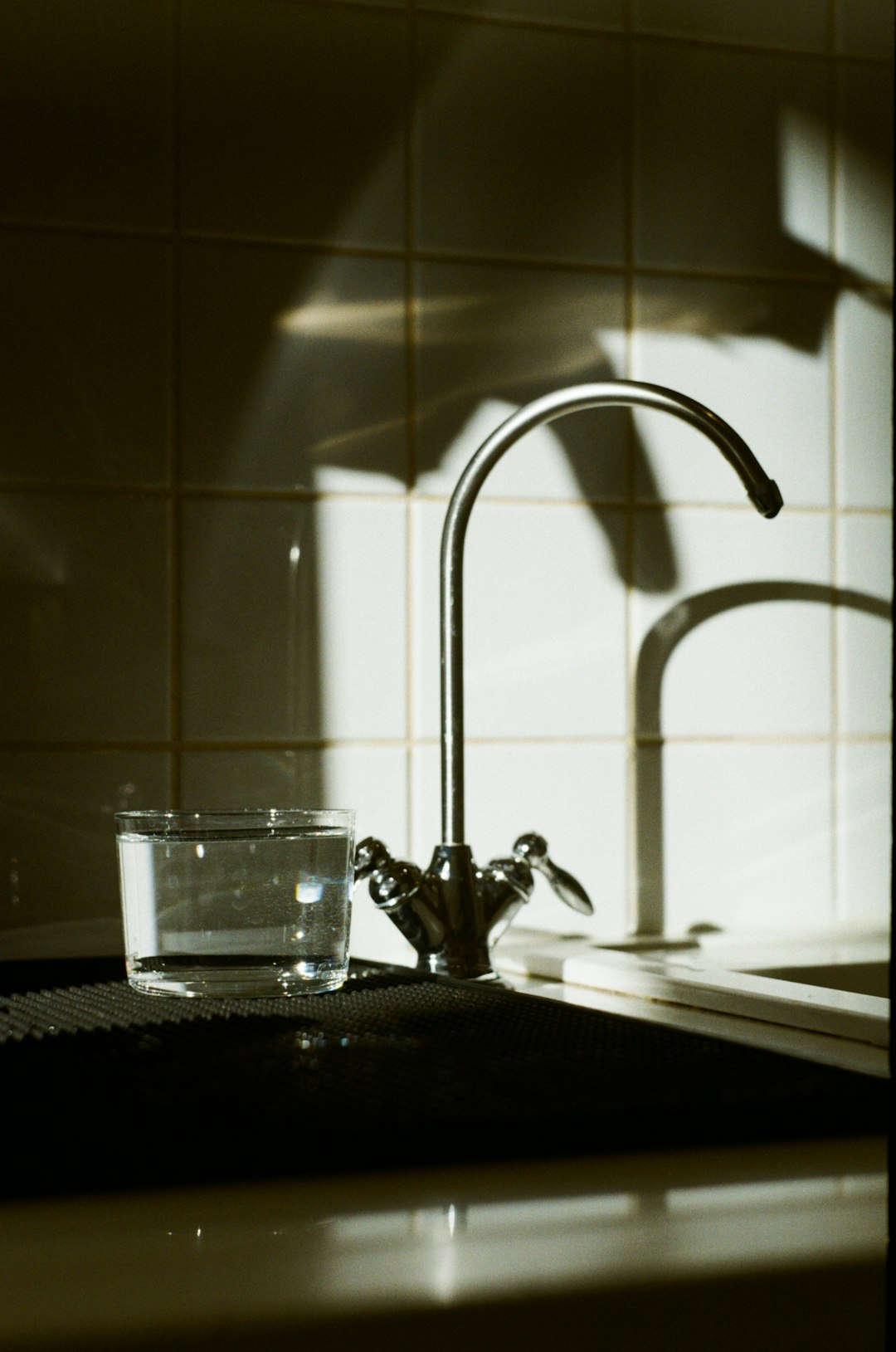
A shortage is a quantity problem. You can lose pressure, face restrictions, or watch your bill climb without a single change in what’s dissolved in the water you drink. Safety is a separate question, and only testing answers it.
England saw substantial algal bloom growth after the hot weather this summer, a reminder that low water and water quality problems can show up together.
Private well owners should run a baseline lab test now, while you still know what normal looks like. Start with our step-by-step well testing guide and the Water Testing section. City customers should read their utility’s annual Consumer Confidence Report, then spot-check with a water test kit.
How Much Water Should You Store?
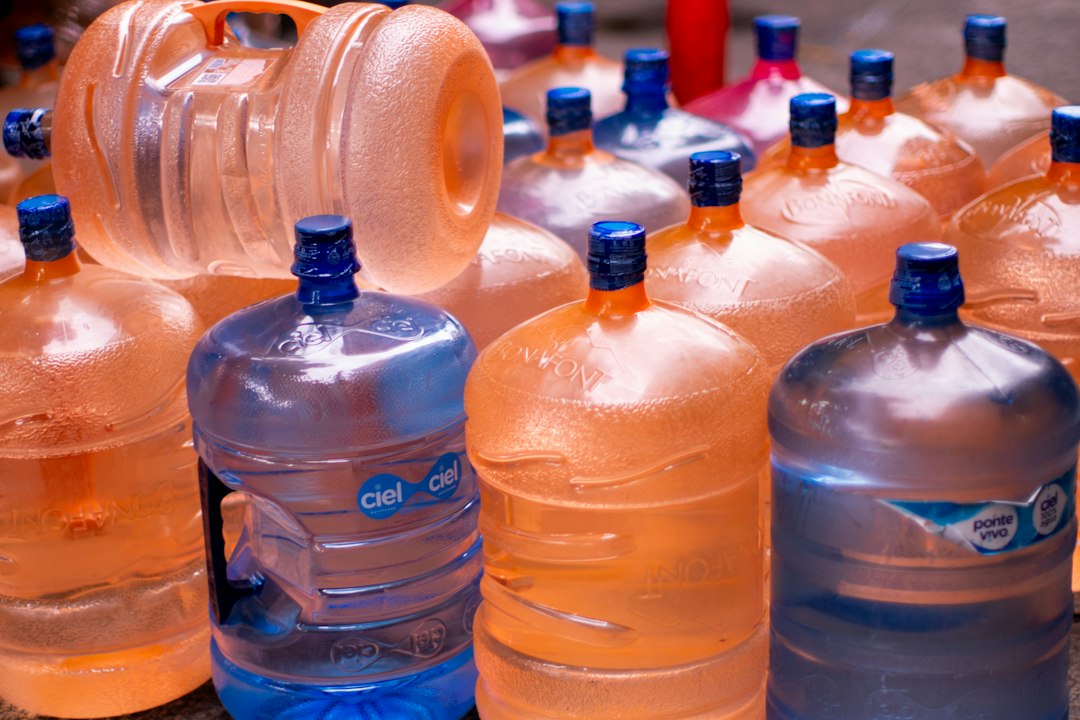
Store at least one gallon per person per day for three days, per the CDC, and aim for two weeks if you can. Hot climates, pregnancy, and illness all raise the number.
| Household size | 3-day minimum | 14-day target |
|---|---|---|
| 1 person | 3 gallons | 14 gallons |
| 2 people | 6 gallons | 28 gallons |
| 3 people | 9 gallons | 42 gallons |
| 4 people | 12 gallons | 56 gallons |
| 5 people | 15 gallons | 70 gallons |
Count your actual household, not the average one. Add a quart a day for each small pet.
Store It Safely
- Choose food-grade containers, and skip anything that once held bleach, pesticides, or other toxic liquids.
- Wash each container, then sanitize it with one teaspoon of unscented household bleach per quart of water. Rinse well.
- Keep containers away from gasoline and pesticides.
- Replace stored water every six months.
Boiling is the safest treatment. Bring water to a rolling boil for one full minute and let it cool. If you can’t boil, add 1/8 teaspoon of bleach per gallon, stir, and let it stand 30 minutes, per Ready.gov.
Both methods target germs. They don’t strip lead, nitrate, PFAS, or other dissolved contaminants. Chlorine also won’t kill Cryptosporidium or Giardia, which can show up in flood water, according to Ohio State Extension.
Match Equipment to Your Water, Not the Headline
Buy nothing until you’ve seen a lab result. Whole-house systems, under-sink units, and portable filters solve different problems, and none of them creates water that isn’t there.
Browse Water Filters and Whole House systems once you know your contaminants. Our household water purification guide and whole-house filtration buyer’s guide walk through sizing. Our Buying Guides and Reviews sections cover the options. On a private well, start with the well water treatment train guide.
For a portable emergency filter, start with our Sawyer Squeeze review. And if something looks, smells, or tastes off, check Water Problems.
Test First, Then Spend
A shortage changes how much water you can count on. It says nothing about what’s in that water. A certified lab report does, and it keeps you from paying for a filter your water never needed.
Order a certified water analysis from our water test kits, or schedule testing through a state-certified lab, and you’ll have real numbers before you spend another dollar on equipment. Your household’s health shouldn’t depend on guesswork.
FAQ
Which country has the worst water shortage?
The Middle East and North Africa face the worst pressure overall. UNICEF counts fifteen of the world’s twenty most water-scarce countries there, according to the Council on Foreign Relations. Rankings vary by method, though, because water quality and seasonal swings change the math.
Is the world running out of water?
Not literally. Earth’s water isn’t disappearing, but usable freshwater is shrinking in many regions. UN scientists say overuse and pollution have pushed some rivers, aquifers, and wetlands past recovery, which they call water bankruptcy. Other regions remain fine, so local data matters more than global headlines.
How much water should I store for an emergency?
Store at least one gallon per person per day for three days, per the CDC, and aim for two weeks if you have room. Add more for hot climates, pregnancy, illness, and pets. A family of four needs 56 gallons for two weeks.
Can I treat stored water with bleach?
Yes, for germs. Ready.gov says to add one-eighth teaspoon of bleach per gallon, stir, and wait 30 minutes. Ohio State Extension notes chlorine won’t kill parasites like Cryptosporidium or Giardia. Neither bleach nor boiling removes dissolved metals or chemicals. Test the source.